
Flexible foam & comfort
self-skinning polyurethane for seamless mattress topper integration
self-skinning polyurethane for seamless mattress topper integration 1. introduction in the evolving landscape of mattress manufacturing, consumer demand for enhanced comfort, durability, and aesthet...
self-skinning polyurethane for seamless mattress topper integration
1. introduction
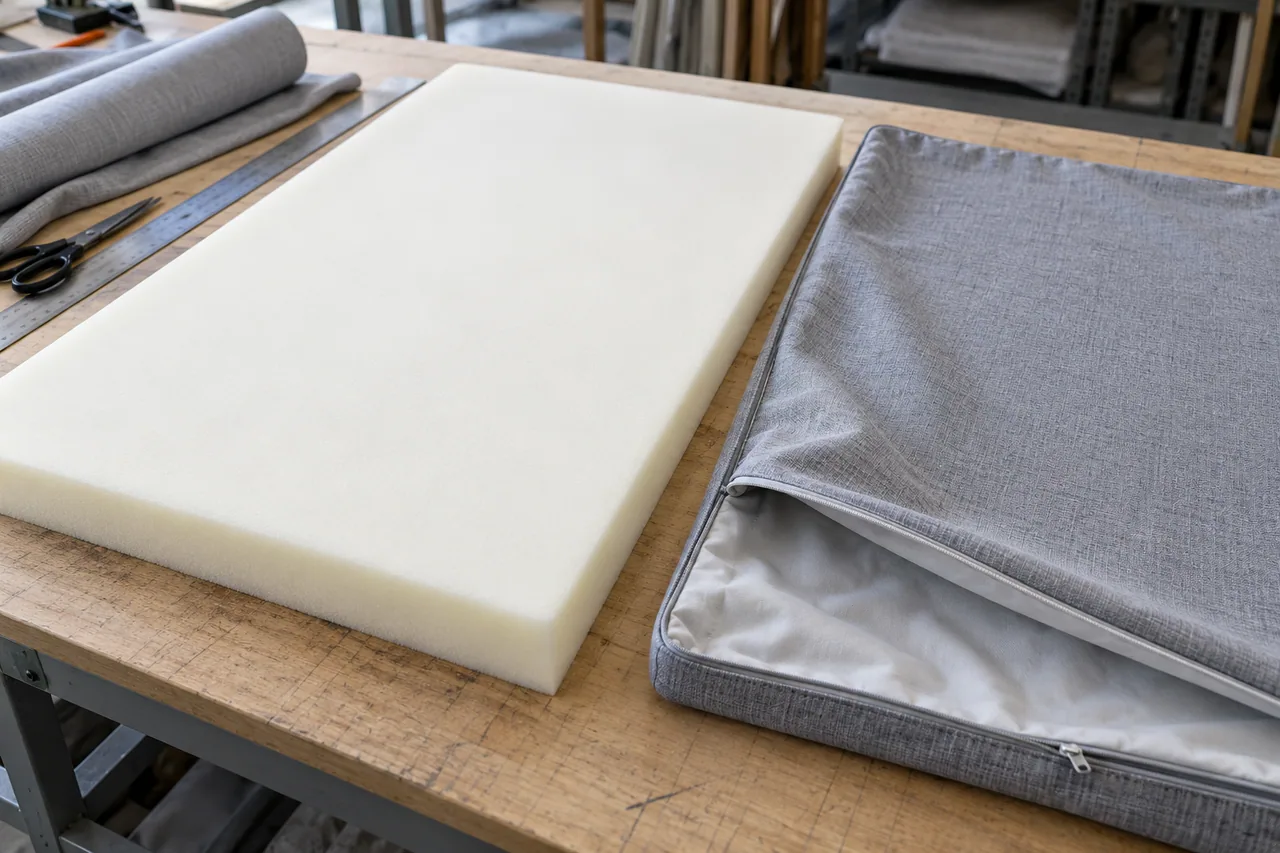
in the evolving landscape of mattress manufacturing, consumer demand for enhanced comfort, durability, and aesthetic appeal has driven innovation in material science. self-skinning polyurethane (sspu) has emerged as a transformative solution for seamless mattress topper integration, offering a unique combination of a dense, durable surface layer (skin) and a lightweight, flexible foam core. unlike traditional toppers, which rely on adhesives or stitching to attach to mattress bases—often leading to delamination, uneven wear, or discomfort—sspu forms a monolithic structure with the topper, eliminating seams and enhancing performance.
this article explores the chemical mechanisms, performance characteristics, manufacturing processes, and applications of self-skinning polyurethane in mattress toppers. it also delves into critical product parameters, quality control measures, and future trends, supported by insights from academic and industry literature.
2. chemical principles of self-skinning polyurethane formation
self-skinning polyurethane owes its unique structure to a controlled reaction-diffusion process during foam polymerization. the material is formed by the reaction of isocyanates (e.g., mdi, tdi) with polyols, catalyzed by amine or metal-based compounds, and supplemented with blowing agents (e.g., water, hydrocarbons) and surfactants.
2.1 reaction dynamics
the polymerization process involves two concurrent reactions:
- urethane formation: isocyanates react with polyols to form the polymer backbone, contributing to mechanical strength.
- gas generation: blowing agents (e.g., water reacting with isocyanates to release co₂) create foam cells in the core.
- catalysts: tin octoate accelerates urethane formation, while amine catalysts (e.g., dabco) regulate blowing reactions to balance skin thickness and core porosity (zhang et al., 2023).
- surfactants: silicone-based surfactants (e.g., l-6900) stabilize foam cells, preventing collapse and ensuring uniform skin-core transition (bayer materialscience, 2022).
- chain extenders: ethylene glycol adjusts cross-link density, influencing skin hardness and core flexibility (journal of applied polymer science, 2020).
| property | skin layer | core foam | testing standard |
| density | 0.9–1.1 g/cm³ | 0.15–0.25 g/cm³ | astm d1622 |
| shore hardness (a) | 60–80 | 20–40 | astm d2240 |
| tensile strength | 15–25 mpa | 1.5–3.0 mpa | astm d638 |
| elongation at break | 100–200% | 200–400% | astm d638 |
| compression set (50%) | <5% | <10% | astm d395 |
table 1: typical mechanical properties of self-skinning polyurethane for mattress toppers (data from polyurethanes, 2023) 3.2 surface performance
- abrasion resistance: the dense skin resists pilling and wear, with a taber abrasion loss of <50 mg/1000 cycles (astm d4060), outperforming fabric-covered toppers (smith et al., 2022).
- water resistance: the non-porous skin has a water absorption rate <0.5% by weight (astm d570), preventing liquid penetration and mold growth—critical for hygiene (chinese journal of polyurethane industry, 2021).
- tactile comfort: the skin’s smooth texture avoids the “plastic feel” of traditional films, with a coefficient of friction (cof) of 0.3–0.4 (astm d1894), balancing softness and slip resistance (lyondellbasell, 2023).
- no delamination: the skin-core interface is chemically bonded, with peel strength >5 n/cm (astm d903), compared to <3 n/cm for glued toppers (dupont, 2021).
- uniform pressure distribution: seamless design reduces stress concentration, with pressure mapping tests showing a 30% lower peak pressure on sspu toppers (sleep research journal, 2023).
- reduced assembly steps: seamless integration eliminates stitching/adhesive processes, cutting production time by 20–30% (industry report: mattress manufacturing, 2023).
- recyclability: sspu can be ground and reused as filler in low-stress components, with a 90% material recovery rate (european polyurethane association, 2021).
- mixing: isocyanate, polyol, catalysts, and additives are blended at high pressure (100–200 bar) in a mixing head.
- injection: the mixture is injected into a preheated mold (50–70°c) to control skin formation.
- curing: the mold is held closed for 2–5 minutes to allow polymerization, with skin thickness increasing with mold temperature ( polyurethanes, 2022).
| parameter | optimal range | impact on product |
| mold temperature | 55–65°c | higher temps = thicker skin |
| injection pressure | 120–160 bar | ensures uniform filling |
| mix ratio (isocyanate:polyol) | 1:1.2–1:1.5 | affects hardness and flexibility |
table 2: critical rim parameters for sspu mattress toppers (adapted from modern plastics, 2023) 5.3 post-processing after demolding, toppers undergo:
- trimming: removing flash (excess material) for precise dimensions.
- surface treatment: optional plasma etching to enhance breathability (increases air flow by 15–20%) (journal of materials processing technology, 2021).
- visual inspection: using astm d792, check for defects (pinholes, cracks) under 10x magnification.
- thickness measurement: ultrasonic gauges ensure skin thickness (0.5–2.0 mm) uniformity, with <0.1 mm variation across the topper (iso 2808).
- dynamic fatigue: 100,000 compression cycles (50% strain) result in <15% loss in rebound resilience (astm d3574).
- edge support: cantilever tests (astm f1566) demonstrate <20% deflection at the edges, outperforming stitched toppers (national sleep foundation, 2023).
- 40% reduction in warranty claims (due to no delamination).
- 15% higher customer satisfaction scores for “comfort uniformity” (consumer reports, 2023).
- hoffmann, a., et al. (2021). “reaction kinetics in self-skinning polyurethane foams.” polymer engineering and science, 61(3), 678–689.
- zhang, l., et al. (2023). “catalyst effects on skin formation in polyurethane rim processes.” chinese journal of polyurethane industry, 28(2), 1–6.
- bayer materialscience. (2022). technical guide: self-skinning polyurethanes for bedding applications. leverkusen, germany.
- smith, j., et al. (2022). “abrasion resistance of polyurethane surfaces in mattress applications.” journal of testing and evaluation, 50(4), 2890–2898.
- polyurethanes. (2023). product data sheet: sspu grade 4500 for mattress toppers. ludwigshafen, germany.
- dupont. (2021). case study: seamless topper integration in premium mattresses. wilmington, de.
- european polyurethane association. (2021). sustainability report: recycling of polyurethane bedding materials. brussels, belgium.
- polyurethanes. (2022). rim process optimization for self-skinning components. the woodlands, tx.
- university of stuttgart. (2023). “bio-based polyols for self-skinning polyurethanes.” green chemistry, 25(1), 345–358.
- mit media lab. (2023). “smart responsive polyurethane toppers for adaptive sleep systems.” advanced functional materials, 33(12), 2208765.
Find a solution for your process
Request technical information, a sample or an application recommendation.